



































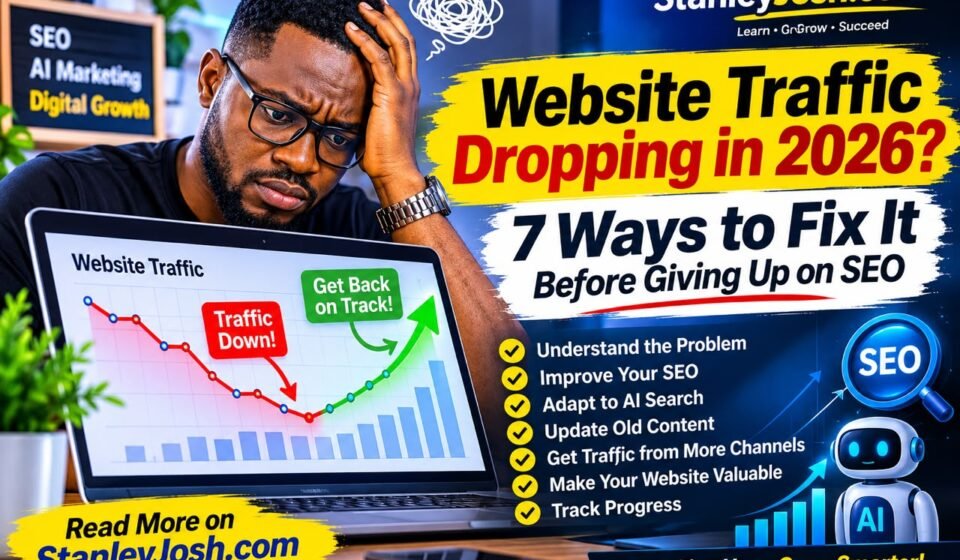

Website traffic dropping in 2026? Discover 7 proven SEO strategies to recover rankings, boost organic traffic, and get your website growing again.
Let’s be honest. One of the most frustrating things about running a website is spending hours creating content, publishing blog posts, and trying to improve your SEO, only to check your analytics and discover that barely anyone is visiting.
I’ve been thinking about this because building a website takes time. You research topics, write articles, find images, work on keywords, and try different strategies. Naturally, you expect to see some progress.
But what happens when the numbers start going in the opposite direction?
Your website traffic drops. Your visitors become fewer. Your articles aren’t getting the attention you expected, and suddenly, you start wondering whether blogging is still worth the effort.
If this sounds familiar, you’re not alone.
The way people discover information online is changing. Google is introducing more AI-powered search experiences, people are using ChatGPT to find answers, and social media has become an important discovery platform.
This doesn’t mean SEO is dead. It means website owners need to become smarter about how they attract and retain visitors.
So, if your website traffic is dropping in 2026, here are seven practical things you can start doing to turn things around.
- Understand Why Your Website Traffic Is Dropping:
Before trying to fix anything, you need to understand what’s actually happening.
A traffic decline doesn’t always mean Google has stopped showing your website. Sometimes, your articles are losing rankings. Other times, people are finding answers directly on search results pages without visiting websites.
You might also be dealing with outdated content, technical SEO problems, or simply targeting keywords that people are no longer searching for.
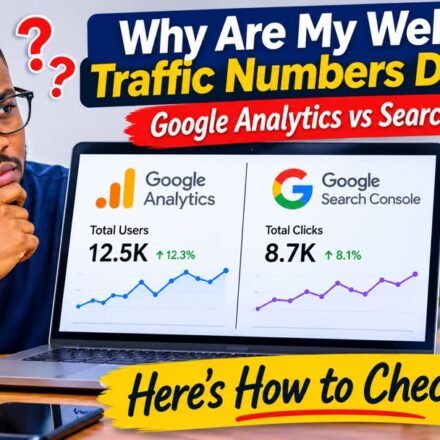
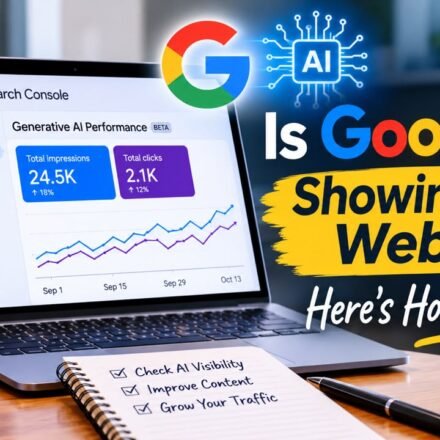
Start by checking Google Search Console.
Look at:
- Which pages have lost impressions.
- Which keywords are bringing fewer clicks.
- Whether your average search positions have changed.
- Whether Google has reported indexing problems.
- Which pages are still performing well.
You should also compare your recent traffic with previous months using Google Analytics. Don’t immediately start deleting old articles or changing everything on your website. First, identify the problem. You cannot fix what you don’t understand.
- Stop Writing Articles Just to Publish Content:
This is something I believe more bloggers need to understand.
Publishing five articles every week doesn’t automatically make your website successful. You can publish consistently and still struggle to attract visitors if your content doesn’t provide anything useful.
Think about the person searching for information.
They aren’t interested in how many articles you’ve published. They want answers, solutions, recommendations, and information they can actually use.
Instead of asking yourself, “What should I publish today?”
Start asking, “What problem can I help someone solve today?”
For example, instead of writing another general article about digital marketing, consider topics like:
- How Small Businesses Can Use AI to Find More Customers.
- Why Your Website Isn’t Appearing on Google.
- How to Use ChatGPT to Improve Your Content Marketing Strategy.
- Seven AI Marketing Mistakes Small Businesses Should Avoid.
These topics address specific problems and give readers a reason to visit your website.
Quality, relevance, and usefulness should always come before publishing frequency.
- Adapt Your SEO Strategy to AI Search:
One major change website owners cannot afford to ignore is the growth of AI-powered search.
People are no longer relying exclusively on traditional search engines. They are asking ChatGPT questions, using AI-powered search experiences, and looking for recommendations through conversational tools.
This creates a new opportunity for website owners.
You should think beyond traditional keyword rankings and consider how your content can become a useful source of information for AI-powered search experiences.
Here are a few things you can do:
- Write clear and informative headings.
- Answer specific questions directly.
- Explain complicated topics in simple language.
- Include relevant examples and practical experiences.
- Keep your website information accurate and updated.
- Build credibility around the subjects you cover.
Don’t forget that traditional SEO still matters.
A technically healthy website, useful content, and a clear website structure remain important.
The goal isn’t to abandon Google SEO. It’s to make your website useful wherever people search for information.
- Update Your Old Blog Posts:
Sometimes, the content you already have is more valuable than the content you’re planning to publish next.
Think about articles you published a year or two ago. Are the statistics still accurate? Are the tools you recommended still relevant? Have new developments changed the information in those articles?
If the answer is yes, it’s time for an update.
Start with articles that previously attracted visitors but have experienced a decline.
You can improve them by:
- Updating outdated information.
- Adding new examples.
- Improving headings and readability.
- Including relevant internal links.
- Answering questions your original article missed.
- Replacing outdated recommendations with better alternatives.
Don’t update an article simply to change its publication date.
Make meaningful improvements that give readers a better experience.
Your existing content library can become one of your biggest assets when you maintain it properly.
- Stop Depending on Google Alone for Website Traffic:
Here’s another mistake many website owners make.
They build a website, publish articles, and depend almost entirely on Google to bring visitors.
But what happens when your rankings change?
Your traffic can drop significantly.
That’s why I believe every website owner should build multiple sources of traffic.
Start using platforms where your target audience already spends time.
For example:
Facebook: Share helpful content in relevant communities and business groups.
LinkedIn: Publish professional insights and share articles related to your industry.
Pinterest: Create attractive pins that lead people to useful blog posts.
WhatsApp: Share your latest articles with your audience and encourage people to visit your website.
YouTube: Create short videos explaining ideas from your blog posts and direct interested viewers to your website.
You don’t need to become active on every platform overnight.
Choose two or three channels you can manage consistently.
The idea is simple: don’t let one traffic source determine the future of your website.
- Make Your Website More Valuable to Readers:
Getting someone to click on your website is only the beginning.
What happens after they arrive?
Can they easily find what they’re looking for? Is your content readable? Does your website load properly on mobile devices?
These details matter.
A visitor who struggles to navigate your website may leave without reading anything.
Here are some improvements worth making:
Improve website speed: Compress large images and remove unnecessary plugins or scripts.
Make your website mobile-friendly: Ensure your pages display properly on smartphones and tablets.
Improve readability: Use short paragraphs, descriptive headings, and simple language.
Add internal links: Connect related articles so readers can discover more content.
Use clear calls to action: Encourage visitors to explore other articles, subscribe to your newsletter, or download useful resources.
Remember, your website shouldn’t just attract visitors. It should give them a reason to stay.
- Track Your Progress and Stay Consistent:
This final point might sound simple, but consistency is where many website owners struggle.
You publish an article, check your traffic after two days, see little improvement, and become discouraged.
But SEO takes time.
You need to give your content an opportunity to get discovered, indexed, and evaluated by search engines.
Set realistic goals and monitor your progress.
For example, you could start with:
- Publishing one quality article every week.
- Updating two older articles every month.
- Sharing every new article on social media.
- Monitoring your website performance weekly.
- Building your email subscriber list.
- Improving your website’s visibility in traditional and AI-powered search.
Don’t measure success by traffic alone.
Pay attention to how many people read your content, subscribe to your newsletter, contact you, or return to your website.
A smaller audience that genuinely values your content can be more valuable than thousands of visitors who leave immediately.
Learn how to grow website traffic here.
Thoughts: Don’t Give Up on Your Website Just Yet
Building an online presence isn’t always easy.
There will be periods when your website grows, and there will be periods when things become frustrating.
But a decline in traffic doesn’t mean your website has no future.
The internet is changing, people’s search habits are evolving, and businesses that understand these changes will have more opportunities to grow.
If your website traffic is dropping in 2026, don’t panic.
Review your SEO performance, improve your existing content, explore AI-powered search, build your social media presence, and give your audience something genuinely useful.
Most importantly, don’t stop learning.
I’m also working on improving my own understanding of AI and digital marketing because I believe the future belongs to people who are willing to adapt.
Your website is an investment. Treat it like one.
Ready to grow your online presence?
Explore more practical insights, AI marketing strategies, and digital growth resources on StanleyJosh.com.
Let’s keep learning, building, and growing together.